

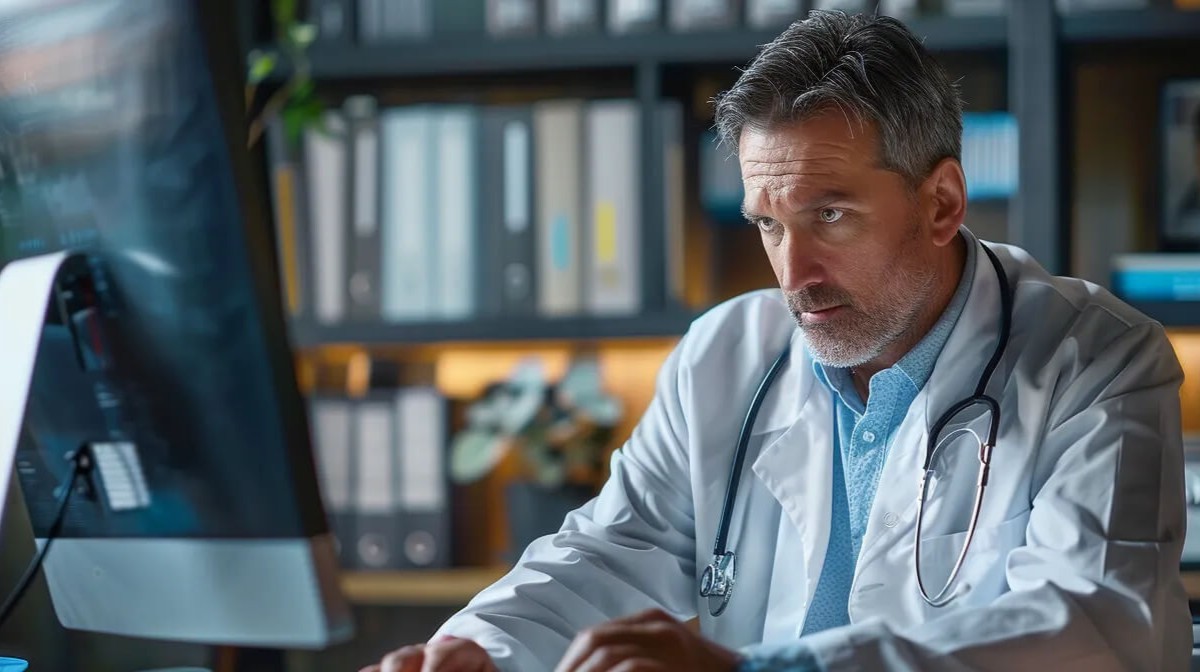
The landscape of healthcare is constantly evolving with technological advancements aimed at improving the quality of patient care and the efficiency of healthcare providers.
One such technological tool is dictation software, which has proven to be a game-changer in managing medical documentation. The ability to speak and have words transcribed instantly allows healthcare professionals to spend less time on paperwork and more time with patients.
Dictation software has redefined the way clinical data is recorded, ultimately streamlining the workflow within medical practices. For doctors who use Macs, finding the best dictation software that is compatible with their operating system is crucial. Keep reading to discover how this software is making an impact in healthcare settings.
The Impact of Dictation Software on Clinical Documentation Efficiency
Transitioning from manual typing to dictation software has significantly reduced the time clinicians spend on documenting patient encounters. By speaking naturally, doctors can complete clinical notes faster and with less effort than traditional typing. This efficiency gain means more time for patient interaction or seeing additional patients throughout the day.
Moreover, dictation software integrates seamlessly with electronic health record (EHR) systems. This integration helps reduce the chances of documentation errors that are often associated with manual data entry. The accuracy in capturing patient information improves as practitioners can dictate patient notes while the details are still fresh in their minds.
The cognitive load on healthcare providers is likewise minimized with dictation software. Rather than focusing on the mechanics of typing, doctors can concentrate on accurately and thoroughly recounting the patient visit, leading to more informative and precise medical records.
Streamlining Patient Record Management with Voice Recognition
Voice recognition technology is at the heart of modern dictation software, providing a fast and fluid method of capturing patient narratives. This sophisticated technology can understand a wide range of accents and speech patterns, ensuring that every healthcare professional can benefit from its features.
With dictation software, patient records become more accessible and easier to manage. Clinicians can effortlessly update medical histories, treatment plans, and consultation notes, streamlining the workflow and simplifying record retrieval. This immediacy helps in maintaining a current and comprehensive patient record, which is essential for continuity of care.
Furthermore, voice recognition has become sophisticated enough to recognize medical terminology, which used to be a significant hurdle. Most dictation solutions now come preloaded with extensive medical dictionaries, removing the obstacles that once hampered the smooth adoption of speech-to-text in healthcare environments.
Enhancing Physician-Patient Interactions Through Dictation Tools
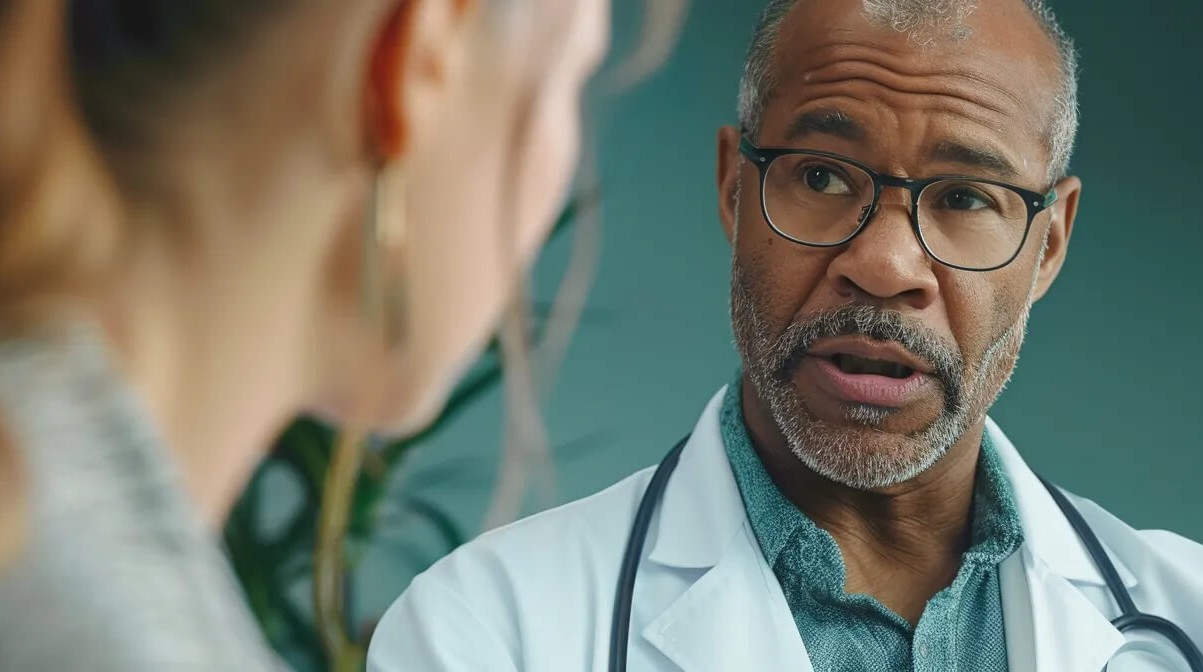
One of the less obvious but vitally important benefits of dictation software is the enhancement of the physician-patient relationship. With the administrative burden of note-taking reduced, doctors can maintain more eye contact and engage in active listening, creating a better patient experience during consultations.
Doctors using dictation tools can provide a more personable approach. They can directly interact with patients without the barrier of a computer screen or the distraction of typing. This change can lead to an increase in patient trust and satisfaction, as patients feel more heard and valued during their visits.
As clinicians narrate their notes, patients have the opportunity to confirm or clarify information on the spot. This real-time verification process ensures that the patient’s medical record accurately reflects their health status and history, leading to more informed diagnostic and treatment decisions.
Reducing Administrative Burden in Healthcare With Automated Transcription
The stress of clerical tasks in healthcare settings can be overwhelming for medical staff. Dictation software alleviates much of this burden by automating the transcription process. Medical practitioners can dictate clinical notes, referrals, and orders directly into their electronic health records systems, thereby minimizing the need for administrative support for these tasks.
With the automation provided by dictation tools, healthcare facilities can reassign staff to more patient-centric roles. Optimizing human resources is key to enhancing the overall efficiency and quality of healthcare services. Staff members are able to focus on more complex tasks that require human judgment and empathy, which cannot be replicated by software.
Additionally, the ease of use of dictation solutions means that the time required for training staff is minimal. The intuitive nature of speaking as a form of data entry is far more approachable and less intimidating than mastering complex EHR systems or medical coding procedures. Being able to integrate with their existing tools and software seamlessly allows for a smoother transition and continuity in their workflow.
The incorporation of dictation software into healthcare workflows not only improves efficiency but also drastically enhances the quality, accuracy, and reliability of patient records. By allowing healthcare professionals to focus more on patient care and less on paperwork, dictation tools are indispensable in modern medical practice.
