

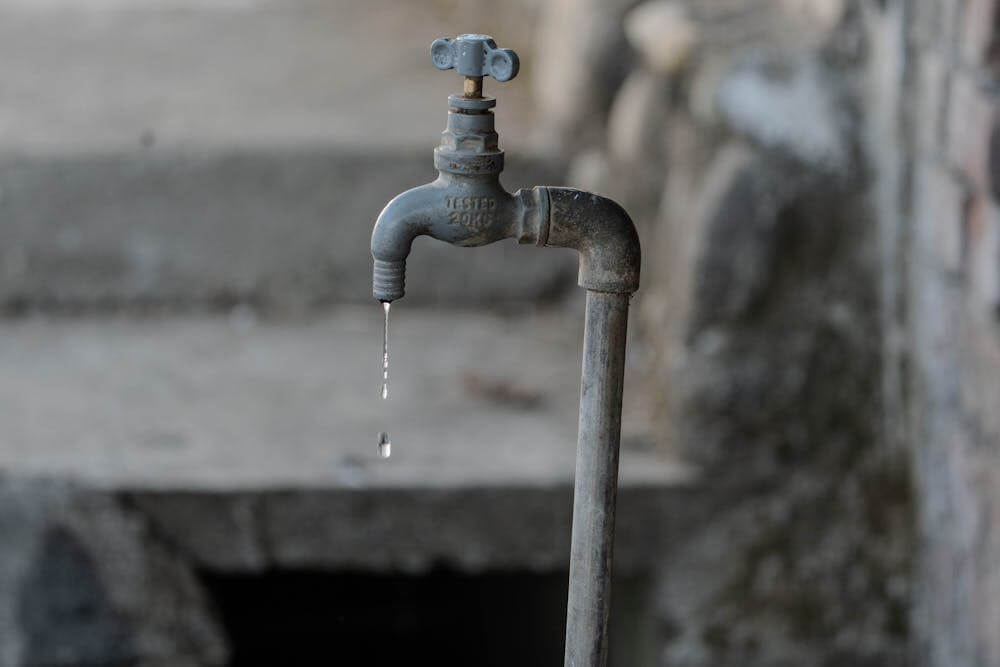
Water scarcity affects over 2 billion people worldwide, and faith-based organizations are addressing this crisis with methods that set them apart from secular aid groups. While traditional development organizations focus primarily on infrastructure and technical solutions, faith-based groups bring unique assets to water projects. They work through established networks of local religious leaders, integrate spiritual values with practical interventions, and mobilize communities through trusted relationships that often span generations.
Faith-based organizations tackle water scarcity differently by leveraging their deep community connections, working with religious leaders as change agents, and combining water access projects with behavioral education rooted in spiritual teachings about stewardship and responsibility. These groups don’t just drill wells and leave. They partner with local faith communities to ensure long-term maintenance, promote hygiene practices, and address the cultural and social dimensions of water use that technical projects alone often miss.
Your understanding of how these organizations operate reveals why they achieve lasting results in hard-to-reach areas where other groups struggle. Faith-based organizations can access communities that may distrust outside intervention, and they approach water projects as part of broader sustainable development efforts that include sanitation education, gender equity, and community empowerment.
Key Takeaways
- Faith-based organizations use trusted religious networks and local leaders to implement water projects with strong community buy-in
- These groups combine technical water solutions with behavioral change education rooted in spiritual values of stewardship
- Their approach focuses on long-term sustainability through ongoing community partnerships rather than one-time infrastructure installations
Unique Approaches Faith-Based Organizations Use To Tackle Water Scarcity
Faith-based organizations leverage their deep community connections and spiritual influence to address water scarcity through trust-building, value-driven programming, and targeted outreach to underserved populations.
Mobilizing Community Trust and Local Leadership
Faith-based organizations activate existing networks of religious leaders who already hold credibility within their communities. These leaders become advocates for clean water access and hygiene practices, teaching congregations about the health risks of unsafe drinking water and open defecation.
Local faith leaders receive training on WASH principles (water, sanitation, and hygiene) and then mobilize their communities to adopt new behaviors. This peer-to-peer education model proves more effective than external interventions because community members trust guidance from their spiritual advisors.
Religious institutions also provide physical spaces for water committees to meet and organize maintenance schedules. By using mosques, churches, and temples as coordination hubs, faith-based organizations reduce logistical barriers and ensure sustained community participation in water projects.
Integrating Religious Values Into Water Initiatives
Many faith traditions emphasize stewardship, compassion, and service to others, which faith-based organizations incorporate directly into their water programs. A trusted Christian water charity organization might frame clean water access as fulfilling biblical mandates to care for the vulnerable and demonstrate love through action.
This values-based approach motivates both donors and volunteers differently than secular frameworks. Religious communities often view water projects as spiritual acts rather than purely humanitarian efforts, which can generate stronger long-term commitment.
Youth groups in religious schools participate in service-learning curricula that connect water scarcity to their faith teachings. Students learn about global water challenges while engaging in fundraising and awareness campaigns rooted in their religious identity.
Bridging Service Gaps in Marginalized Communities
Faith-based organizations frequently work in remote or conflict-affected areas where government services and secular NGOs face access challenges. Their existing presence through mission networks allows them to reach populations that other organizations cannot.
These groups prioritize communities experiencing extreme poverty, where families lack both clean water and basic sanitation infrastructure. They install wells, rainwater harvesting systems, and latrines in villages that secular aid groups might overlook due to security concerns or resource constraints.
Faith-based organizations also address cultural sensitivities around hygiene and sanitation that secular programs sometimes miss. They work within local belief systems to promote behavior change, making education about handwashing and ending open defecation more culturally appropriate and therefore more effective.
Advancing Sustainable Development And Lasting Impact
Faith-based organizations integrate water scarcity solutions into broader frameworks that address human dignity, environmental stewardship, and community resilience. Their work extends beyond immediate water access to encompass disaster response capabilities and collaborative partnerships across religious traditions.
Supporting the Sustainable Development Goals
Faith-based organizations align their water initiatives with the United Nations Sustainable Development Goals, particularly SDG 6, which focuses on ensuring availability and sustainable management of water and sanitation for all. These groups mobilize their extensive community networks to implement locally-driven projects that address safe drinking water access while considering long-term environmental sustainability.
Your faith community likely participates in programs that measure progress against specific SDG targets. Organizations document their contributions through metrics such as the number of people gaining access to clean water, improved sanitation facilities constructed, and hygiene education programs delivered.
The World Resources Institute partners with faith-based organizations to undertake science-based climate action that supports multiple SDGs simultaneously. This approach recognizes that water scarcity connects to poverty reduction, health improvement, and ecosystem preservation.
Empowering Disaster Relief and Recovery Efforts
When natural disasters disrupt water systems, faith-based organizations deploy rapid response teams equipped with water purification technology and sanitation supplies. These groups maintain pre-positioned emergency resources and trained volunteers who can reach affected communities quickly.
Your local religious institution may coordinate with international networks to provide both immediate relief and long-term recovery support. This includes rebuilding damaged water infrastructure, establishing temporary distribution points, and training community members in emergency water treatment methods.
Faith-based disaster relief differs through its emphasis on accompanying communities throughout the recovery process rather than withdrawing after initial aid delivery. Organizations maintain relationships with affected populations to ensure restored water systems remain functional and culturally appropriate.
Promoting Interfaith Collaboration for Water and Sanitation
Religious organizations increasingly work across denominational and faith boundaries to address water scarcity at scale. These interfaith partnerships pool resources, share technical expertise, and amplify advocacy efforts for water policy reform.
You’ll find Christian, Muslim, Jewish, Hindu, and Buddhist organizations collaborating on watershed restoration projects and sanitation campaigns that benefit entire regions. The UN Environment Programme facilitates these partnerships through initiatives that unite diverse faith communities around shared environmental goals.
Interfaith collaboration strengthens community ownership of water projects by engaging multiple religious leaders who collectively promote conservation practices and hygiene behaviors. This unified approach reaches broader populations and reduces duplication of efforts in resource-limited areas.
Conclusion
Faith-based organizations bring distinct advantages to water scarcity challenges through their deep community roots and trusted relationships. Their approach combines spiritual values with practical solutions, enabling them to reach marginalized populations that other organizations might struggle to access.
These groups function effectively as advocates, implementers, and long-term guardians of water resources in vulnerable communities. Their commitment extends beyond infrastructure installation to include sustained community engagement and behavioral change around water conservation and sanitation practices.
When you consider addressing water scarcity in your community or through partnerships, faith-based organizations offer proven models that integrate technical expertise with cultural sensitivity. Their unique positioning allows them to mobilize volunteers, secure community buy-in, and maintain projects over extended periods, making them valuable partners in achieving sustainable water access for all.
