

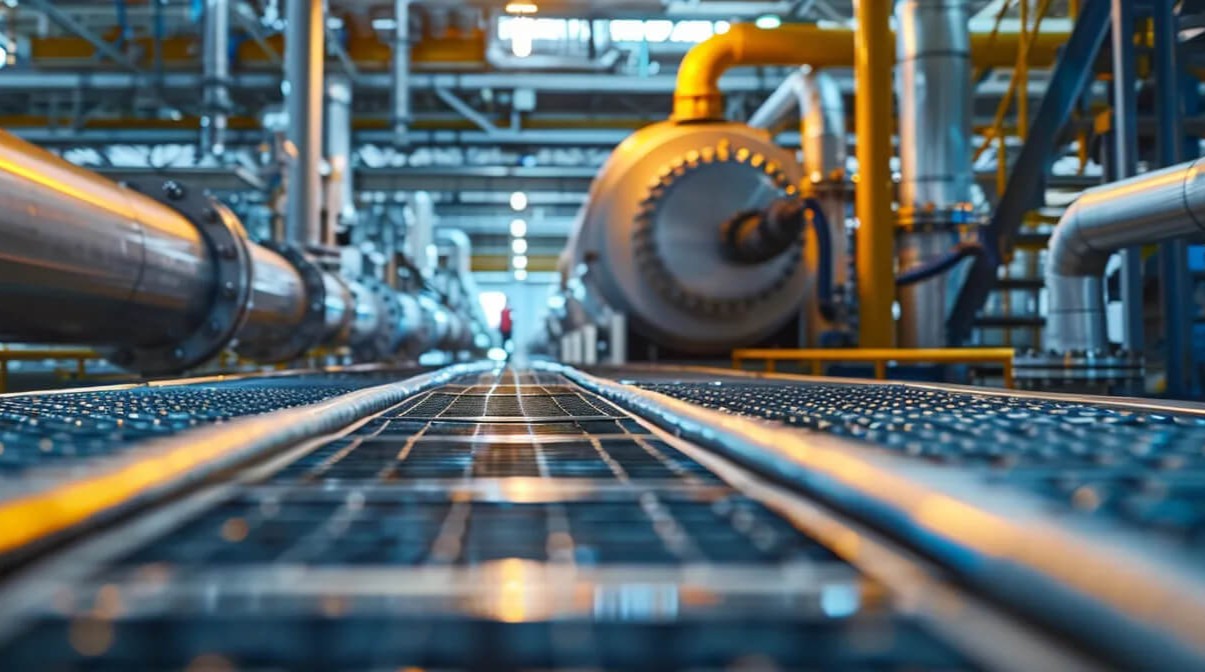
Heat exchange systems are quintessential components in various industrial and manufacturing processes, facilitating the transfer of heat between two or more fluids.
Plated heat exchangers, in particular, play a pivotal role due to their efficiency and compact design, making them a preferred choice in many applications. These units are crucial for heating, cooling, pasteurization, and numerous other thermal management tasks.
As technology advances, so do the features and capabilities of these exchangers, solidifying their importance in modern processing industries. Below, we delve into the intricate world of plated heat exchangers, unpacking their function, benefits, maintenance, and future advancements.
Understanding Plated Heat Exchangers and Their Role in Processing Industries
Plated heat exchangers consist of thin metal plates stacked together, with space for fluid to flow between each plate. Heat is transferred as fluids pass over the plates, effectively conserving energy and maximizing thermal efficiency. These units cater to a spectrum of industries, including food and beverage, pharmaceuticals, and chemical processing, showcasing their versatility.
Within these industries, the use of plated heat exchangers is tantamount to optimizing the process flow. Their design minimizes the risk of cross-contamination, a significant benefit when dealing with consumables or sensitive chemical compounds. Maintaining temperature control is also crucial for ensuring product quality, which these exchangers achieve with remarkable precision.
Moreover, the modular nature of plated heat exchangers for processing allows for easy scaling. Industries can conveniently adjust the capacity of their heat exchange systems to meet varying production demands without compromising on performance or encountering significant downtime.
Key Components and Design Features of Plated Heat Exchangers
The core components of a plate heat exchanger include the plates themselves, which are made from materials with high thermal conductivity, such as stainless steel or titanium. Gaskets typically surround the plates to contain fluids and prevent leakage, ensuring a sealed environment for optimal operation.
The design of the plates is pivotal to the exchanger’s effectiveness. Plates are often corrugated or textured in a way that promotes turbulent fluid flow, enhancing heat transfer rates. They’re engineered to withstand pressure and temperature extremes, ensuring longevity even under the most strenuous conditions.
A distinguishing feature of these systems is their compact footprint. The stacked-plate arrangement yields a high surface area-to-volume ratio, thereby maximizing heat transfer capabilities while occupying minimal space. This is particularly beneficial for facilities where space is limited or where scalability is essential.
The Advantages of Using Plated Heat Exchangers in Industrial Applications
The efficiency of plated heat exchangers is one of their most significant advantages. The design promotes maximum heat transfer, resulting in reduced energy consumption. This is not only cost-effective but also aligns with growing environmental consciousness and the need to decrease carbon footprints in industrial operations.
Another advantage is their compact size. Since they require less space than other types of heat exchangers, they can be seamlessly integrated into existing systems or new installations without extensive space reconfigurations. This also helps in reducing construction costs for new facilities.
Easy cleaning and maintenance are further benefits of plated heat exchangers. Many models are designed for clean-in-place procedures, enabling regular maintenance without requiring the unit to be dismantled. This maintains hygiene standards and reduces production downtime, two critical aspects of continued operational efficacy.
Maintenance and Troubleshooting Common Issues With Plated Heat Exchangers
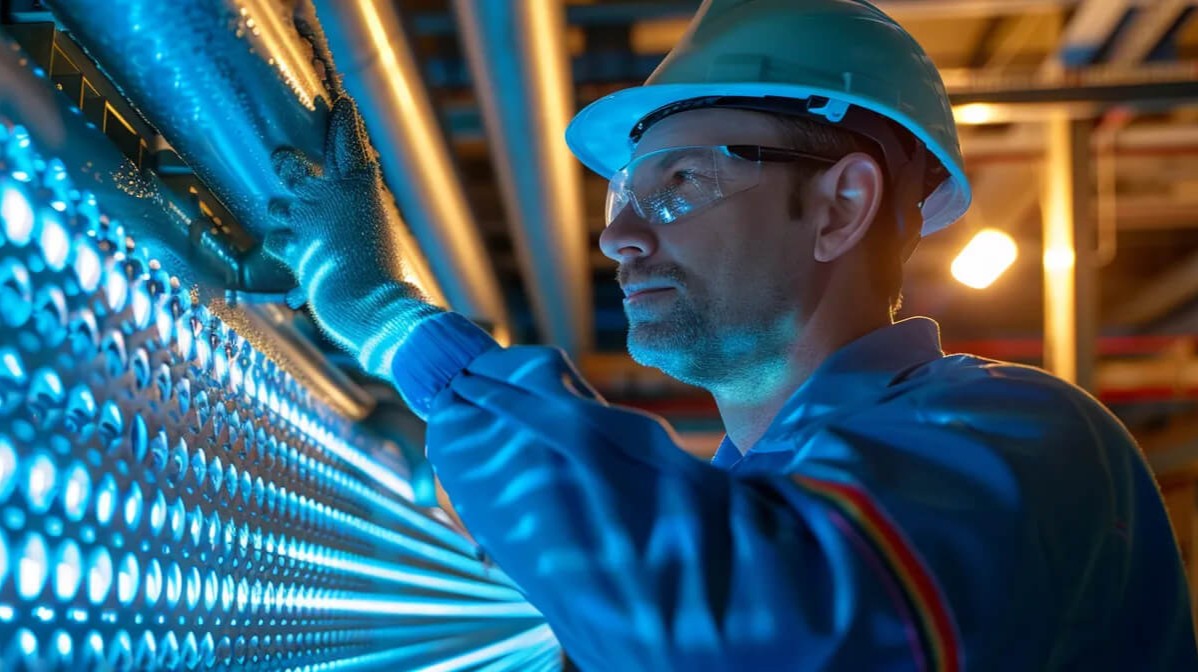
Like any mechanical system, plated heat exchangers require regular maintenance to perform optimally. Routine checks include inspecting for corrosion or wear on the plates and ensuring gaskets are intact to prevent leaks. Timely maintenance not only extends the life of the exchanger but also ensures it operates at peak efficiency.
Gasket failure is a common issue with plated heat exchangers, which can potentially lead to fluid leakage and cross-contamination. To avoid this, gaskets should be inspected for any signs of deterioration and replaced as needed. The plates should also be checked for any signs of scaling or fouling, which can impact heat transfer rates.
In terms of troubleshooting, monitoring pressure drops across the exchanger can be indicative of potential problems. A significant drop could signal a blockage or a malfunction within the system. Facility personnel should be trained to recognize such symptoms early to address issues before they escalate.
The merits of using plated heat exchangers in processing industries are clear and numerous. Their ability to save energy, coupled with their flexibility and ease of maintenance, makes them indispensable in modern industrial applications. As technology marches on, we anticipate seeing these systems become even more efficient and tailored to specific industry needs, underlying their vital role in an evolving industrial landscape.
