


In today’s fast-paced work environments, managing a multitude of tools and equipment can become a complex and cumbersome task. Organizations that rely on a seamless operation need systems in place to ensure every piece of equipment is accounted for and available when needed. Enter the tool checkout system—a digital solution designed to streamline the process of equipment management.
By integrating this innovative system, companies can enhance their operational efficiency and reduce the margin for error. Below, we delve into the various aspects of tool checkout systems and how they can benefit your organization.
Understanding Tool Checkout Systems and Their Impact on Efficiency
In essence, a tool checkout system is a software platform that allows organizations to track and manage their inventory of tools and equipment. This system records who has taken equipment, when it was checked out, and when it is due back, providing a clear and transparent overview of equipment usage. Its implementation can lead to substantial improvements in workflow, preventing the bottleneck that occurs when tools are lost or unavailable.
The impact on efficiency is undeniable, as tool checkout systems eliminate the need for manual tracking and reduce the likelihood of errors. They also deter the loss or misplacement of expensive tools, saving the company potentially significant costs in replacements. By maintaining a digital record, organizations enhance accountability among staff members and improve the allocation of resources.
Implementing a system like this is not without its challenges, which often revolve around the initial setup and user adoption. However, once in place, a tool checkout system facilitates smooth day-to-day operations. Tools and equipment can be reserved in advance, avoiding conflicts and ensuring that projects do not face unnecessary delays due to resource shortages.
The effectiveness of a tool checkout system can be further enhanced by customizing it to fit the unique needs of an organization. Features such as user permissions, maintenance scheduling, and integration with other software can provide a comprehensive management platform that extends beyond mere checking in and out of equipment.
Key Features of an Effective Tool Checkout System
An effective tool checkout system must be user-friendly and accessible. It should offer an intuitive interface that minimizes the learning curve for employees. The dashboard should provide at-a-glance insight into the status of tools, including who is currently using them and when they are expected to be available again. This immediacy of information fosters an agile working environment where decisions can be made quickly and confidently.
Another critical feature is the ability to generate reports and analytics. These reports can inform managers about usage patterns, equipment condition, and potential procurement requirements. This data-driven approach can lead to more effective resource planning and budgeting, ensuring that capital investments in tools are optimized for maximum return and utility.
Compatibility with various devices is also vital, considering the mobile nature of many workforces today. A tool checkout system that offers a mobile app allows for real-time updates from the field, further closing the loop on any potential logistical issues. This mobility ensures that even off-site employees can interact with the system, providing instantaneous and widespread updates.
The Role of Automation in Streamlining Equipment Management
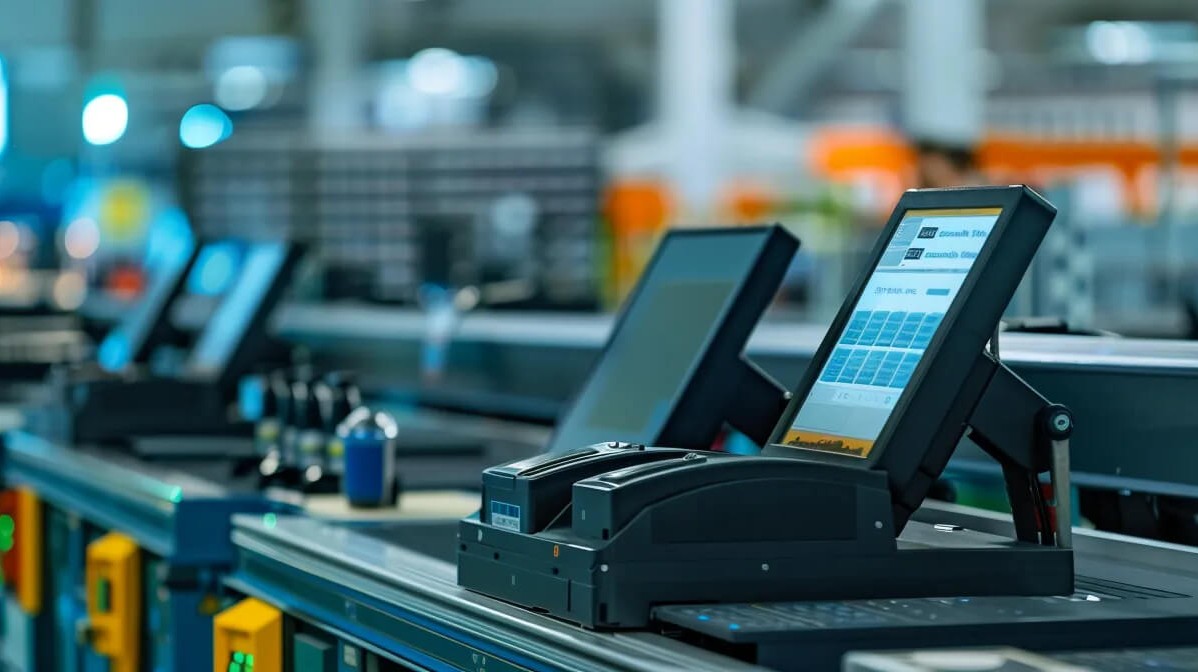
Automation is a game-changer in equipment management, and a quality tool checkout system harnesses this power to its full potential. The automation of checkout processes means fewer human errors and a more reliable, repeatable system for tracking tools. Automated reminders for tool returns can significantly reduce the frequency of late or forgotten returns, thereby maintaining the workflow without interruption.
Beyond operational tasks, automation can aid in strategic decision-making. With continuous, automatic data collection, the tool checkout system can provide insights into the most frequently used tools, predict future equipment needs, and identify tools that are underused or frequently damaged. This overarching view is indispensable for resource planning and budgeting.
The symbiosis of automation and equipment management also extends to inventory control. Automated inventory tracking can prevent overstocking or understocking, ensuring that capital is not tied up unnecessarily. It also means that employees are never left without the necessary tools, fostering a more productive work environment.
The tool checkout system offers an array of benefits that can lead to improved efficiency and a robust return on investment for organizations managing a large inventory of equipment. By prioritizing user-friendliness, automation, data accuracy, and scalability, companies can ensure a smoother workflow and a more responsible equipment management culture.
While integrating such a system requires careful planning and a focus on best practices, the rewards in terms of time and cost savings, as well as employee satisfaction, are substantial.
